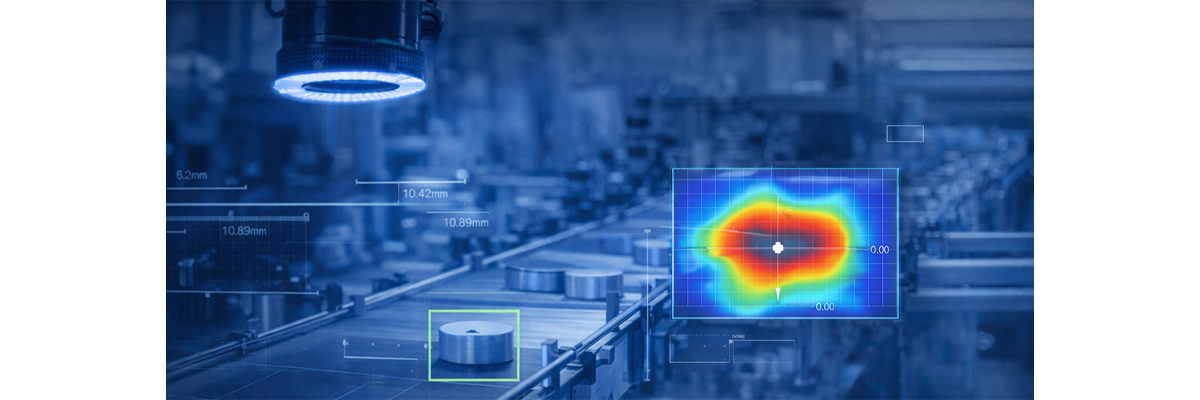
EZ Eye Delivers Fast, Highly Accurate Deep Learning Solution for Inspection of Transparent Medical Components

When a leading medical device manufacturer sought to leverage deep learning in its inspection of transparent medical components, EZ Automation offered a quickly deployed, highly accurate automated vision inspection system.   The Problem  Medical device manufacturers have long relied on machine vision for quality assurance. But traditional rules-based vision systems do not adapt well to environmental...

Meeting Compliance Standards with AI-Powered Inspection

In today’s regulatory landscape, AI-powered inspection has emerged as a critical asset for manufacturers striving to meet strict compliance standards. Whether you are in the pharmaceutical, aerospace, or medical device sector, falling short of regulatory expectations can trigger recalls, audits, and heavy penalties, not to mention long-term reputational damage. Quality and compliance are competitive differentiators,...

Is Your Inspection Process Slowing Down Production? How AI Enhances Speed and Efficiency

When every second on the production line counts, AI enhances speed and efficiency in ways that manual or outdated inspection methods simply cannot. In many manufacturing environments, inspection is the hidden bottleneck, often the slowest and least automated step in an otherwise streamlined process. A delay at the inspection stage doesn’t just slow down the...

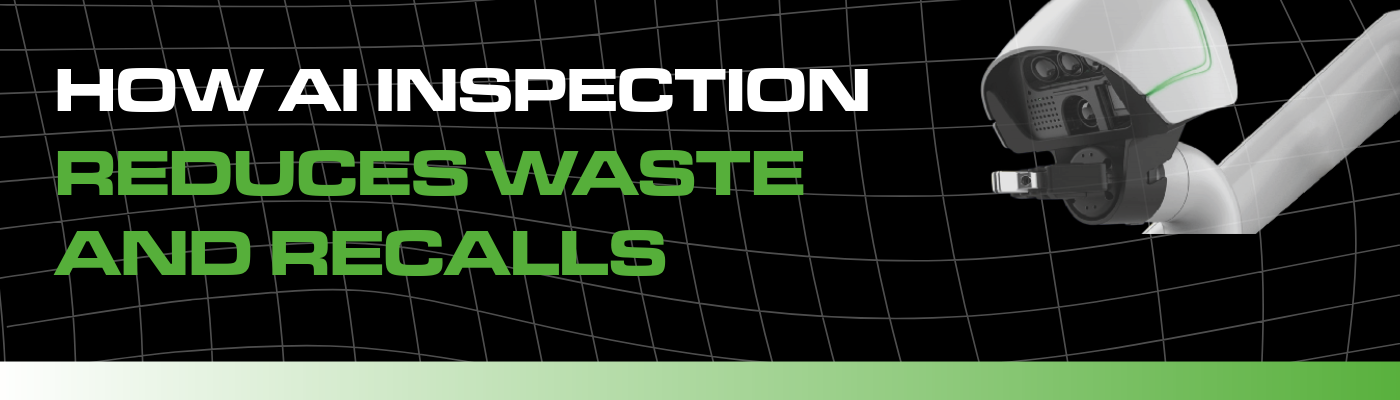
The Hidden Costs of Poor-Quality Control: How AI Inspection Reduces Waste and Recalls

In modern manufacturing, AI inspection is no longer a futuristic concept; it is a necessity. Traditional quality control methods, though effective, now lag behind the speed and complexity of today’s production demands. Missed defects, false rejects, and inefficient inspections cost manufacturers more than they realize, affecting not just profit margins but also brand reputation and...

Manual vs. AI-Driven Inspection: Why Human Error is No Longer an Option

As manufacturing lines accelerate and product complexity grows, AI-driven inspection is rapidly replacing traditional quality control methods. For decades, manual inspection has been the default approach of teams of operators visually checking for surface defects, missing components, or alignment errors. But in today’s high-speed, high-precision environment, the margin for human error has become too costly...